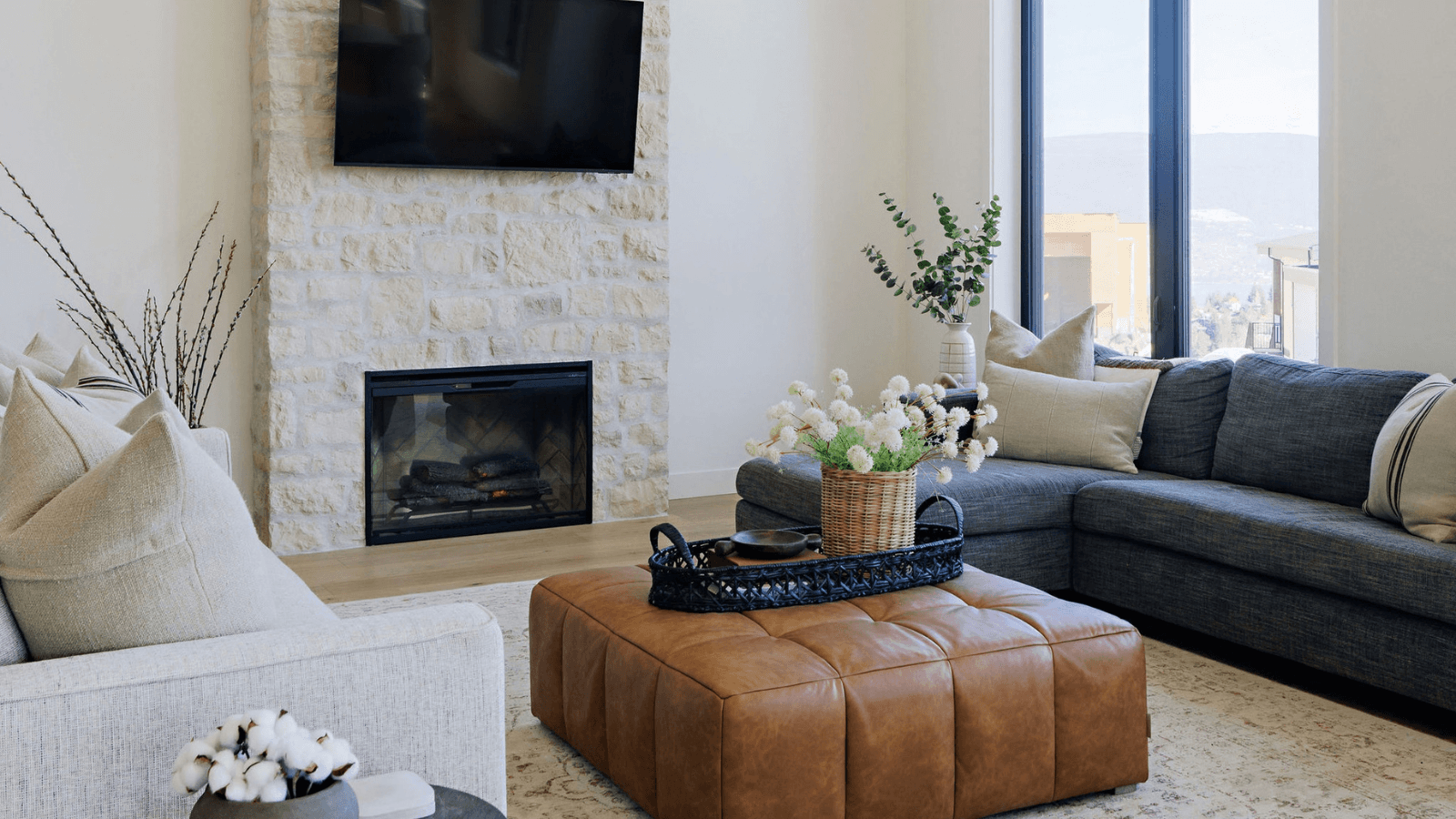
There's a difference between a home that's built and a home that's crafted.
Both might meet code, pass inspection, and look finished on move-in day. The differences will only show up later: in how the details hold up over time, how finishes age, how the small decisions made during construction either continue to feel right or slowly start to unravel.
Craftsmanship is what determines which kind of home you end up with. And in a custom build, where you're making a significant long-term investment, it matters more than almost anything else.
Below we explore what craftsmanship actually means in residential construction, where it shows up most, and why it has a direct impact on the long-term value of your home.
What is Craftsmanship?
The word gets used loosely in the building industry. I’m sure you’ve seen it in marketing materials, website copy, and consultations with builders. So it's worth being specific about what it means in practice.
Craftsmanship isn't about expensive materials or elaborate details. It's about the standard of execution applied to every element of the build whether that element will be visible or hidden, photographed or never seen again once the walls close. It means framing that's plumb and square, tile laid with consistent grout lines, a paint finish that's even and well-prepared and cabinet doors adjusted until they're right.
The practical distinction is between work done to the minimum acceptable standard and work done to a higher one.
Where Craftsmanship Shows Up Most
Some areas of a custom home build are more sensitive to execution quality than others. These are the places where the difference between careful and careless work is most visible:
Millwork and Trim
Trim is one of the most revealing indicators of overall build quality. It requires precision and patience. What to look for:
Tight mitered joints at corners
Consistent reveals where trim meets drywall
Casing that sits flush against both wall and door frame
These details are small individually. But collectively, they determine whether a home's interior feels finished or merely covered.
Cabinetry Installation
The quality of the cabinets matters. So does the quality of their installation. Cabinetry installed even slightly out of level affects every door and drawer across the entire section by creating gaps where surfaces should meet cleanly and putting stress on hardware that will compound over time. Quality installation means:
Level and plumb to exact tolerances
Every door and drawer adjusted until it operates smoothly
Hardware installed consistently throughout
Tile Work
Tile is one of the most expensive finishes to redo. Which means getting the installation right the first time is very important. The variables that matter most:
Layout planned so cuts are balanced and symmetrical
Grout lines consistent in width throughout
Tiles set to a consistent plane so surfaces feel smooth underfoot
Framing Precision
Framing is the structural skeleton of a home and the substrate everything else attaches to. Out-of-plumb walls mean cabinetry won’t sit flush. Out-of-level floors mean tile can't be laid flat. Incorrectly framed openings mean doors and windows that won’t operate properly. The quality of the framing sets a ceiling on the quality of everything that follows.
Paint and Finishing
Paint is the last layer before handover and where first impressions are formed. Proper finishing means thorough surface preparation, multiple coats applied correctly, clean edges at every transition, and touch-ups that genuinely match. A home with excellent finishes elsewhere but poor paint work reads as unfinished.
Flooring Installation
Key variables that determine whether flooring performs well long-term:
Subfloor preparation (a floor is only as flat and stable as what it sits on)
Pattern layout planned before the first piece goes down
Transitions between flooring types executed cleanly
Expansion gaps installed correctly to prevent buckling over time
How Craftsmanship Affects Long-Term Value
The case for craftsmanship is partly aesthetic and partly financial.
Simply put: homes built with precision require less maintenance over time, details done correctly the first time don't need to be revisited, finishes that were properly prepared and applied age better and materials installed correctly last longer. The difference isn't always dramatic but small things done right add up to a home that performs well for years without constant attention.
It also affects resale value. Buyers and their inspectors notice when a home has been built well. A home where everything operates correctly, finishes have aged well, and there are no accumulated maintenance issues commands a stronger market position than one that hasn't been maintained or wasn't built carefully to begin with.
Craftsmanship at construction stage is an investment that pays returns over the life of the home.
How to Recognize Craftsmanship
Whether you're evaluating a builder for a new project or looking at a completed home, there are specific things worth looking at carefully.
In a builder's completed work:
Look at trim joints at internal corners and where different trim profiles meet: are they tight, or are they filled?
Check tile grout lines for consistency across a floor or wall
Open and close every door and drawer (smooth, consistent operation is a sign of careful installation and adjustment)
Look at paint edges where walls meet ceilings and where different colors or sheens meet
Check cabinetry for level and consistent reveals
In conversations with a builder:
Ask about their trade relationships: how long have they worked with the same subtrades, and how do they manage quality on site?
Ask what they're most proud of in a recent project (the answer often reveals what they actually pay attention to)
Ask how problems get caught and addressed during construction
Ask to see a project mid-construction if possible
The Builder's Role
Craftsmanship requires a builder who creates the conditions for it: through trade relationships, site presence, and standards that are communicated clearly and enforced consistently.
The quality of a custom home's execution is directly related to the quality of the trades doing the work and the standards the builder holds them to. Site presence matters too. A builder who is on site regularly enough to catch problems is important.
The trades we work with at Edgehill are people we've built alongside for years. We know their work. They know our standard. That relationship is part of what we're offering when we take on a project. It’s not just our own expertise, but the accumulated expertise of a team that's been working together long enough to have raised their collective standard.
At Edgehill Homes, the standard we hold ourselves and our trades to isn't defined by what passes inspection or what clients will notice. It's defined by what we know is right.
Edgehill Homes has been building custom homes in the Okanagan for over 15 years. We believe every home should tell a story and we're here to help you tell yours.
Edgehill Homes has been building custom homes in the Okanagan for over 15 years. We believe every home should tell a story and we're here to help you tell yours.